
Where Ocean Journeys Meet City Networks

Today we explore designing intermodal hubs at cruise terminals, transforming hectic turnarounds into calm, choreographed connections that respect time, comfort, and place. From pier to platform, curb to cabin, we examine passenger flow, security, sustainability, digital orchestration, and placemaking, inviting your experiences, questions, and contrasting perspectives to help shape better waterfront mobility for every sailing, every season, and every traveler.

Human-Centered Transfers That Feel Effortless
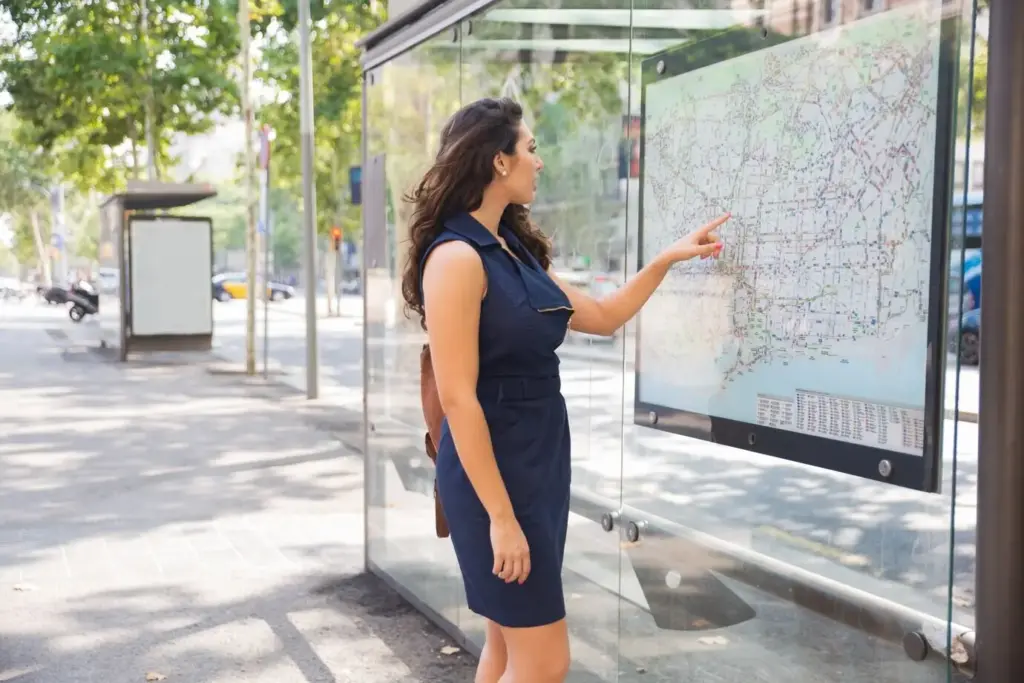
Great waterfront mobility begins with empathy. Designing intermodal hubs at cruise terminals means measuring every decision against real journeys, not just diagrams. Consider jet-lagged grandparents, excited kids, crew on tight schedules, and locals commuting nearby. When vertical cores align with gangways, when curb space meets buses without confusion, and when the first sign is visible at first step ashore, the whole arrival becomes a welcoming handshake instead of an obstacle course.

Landside Logistics and the Calm Curb

The curb is a stage where coaches, taxis, ride-hail, shuttles, and private cars compete for seconds. Designing intermodal hubs at cruise terminals requires assigning roles, setting dwell-time rules, and shaping geometry that prevents friction. When arrivals, departures, and layovers mix without orchestration, chaos grows. With smart staging, overflow strategy, and staff visibility, the curb becomes a reliable instrument that plays on time, even when several ships berth together after weather delays.

Security That Protects Without Intimidating

Security layers should feel like hospitality with rigor. Travelers deserve privacy, clarity, and pace. Designing intermodal hubs at cruise terminals calls for risk-based zoning that places screening, customs, and immigration where daylight, acoustics, and sightlines reduce stress. Transparent processes soothe nerves, while modular layouts scale for peak waves. Nobody remembers perfect throughput, but everyone remembers confusion and delay—let’s replace that with confidence and trust.

Throughput by Design, Not Luck

Queue geometry, lane width, and dividers matter. So does pre-arrival digital briefing that sets expectations. Use serpentine queues with visual milestones and staff circulators who solve problems before they ripple. Provide seating nearby for companions and clear detours for secondary screening. Share your best checkpoint-per-lane throughput numbers and the design tweaks—like lighting or acoustic panels—that made lines feel shorter without sacrificing control.

Perimeter Strategy Embedded in Landscape

Planters, benches, and gentle grade changes can create protective standoff without fortress vibes. Sightlines ensure staff can see crowds, while bollards blend with identity rather than shouting at visitors. Coordinate with city streets so cyclists and scooters pass safely. Wayfinding should never dead-end at a barrier. If you have transformed heavy fencing into welcoming edges, tell us what materials and patterns worked across seasons and storms.
Sustainable and Resilient Waterfront Mobility
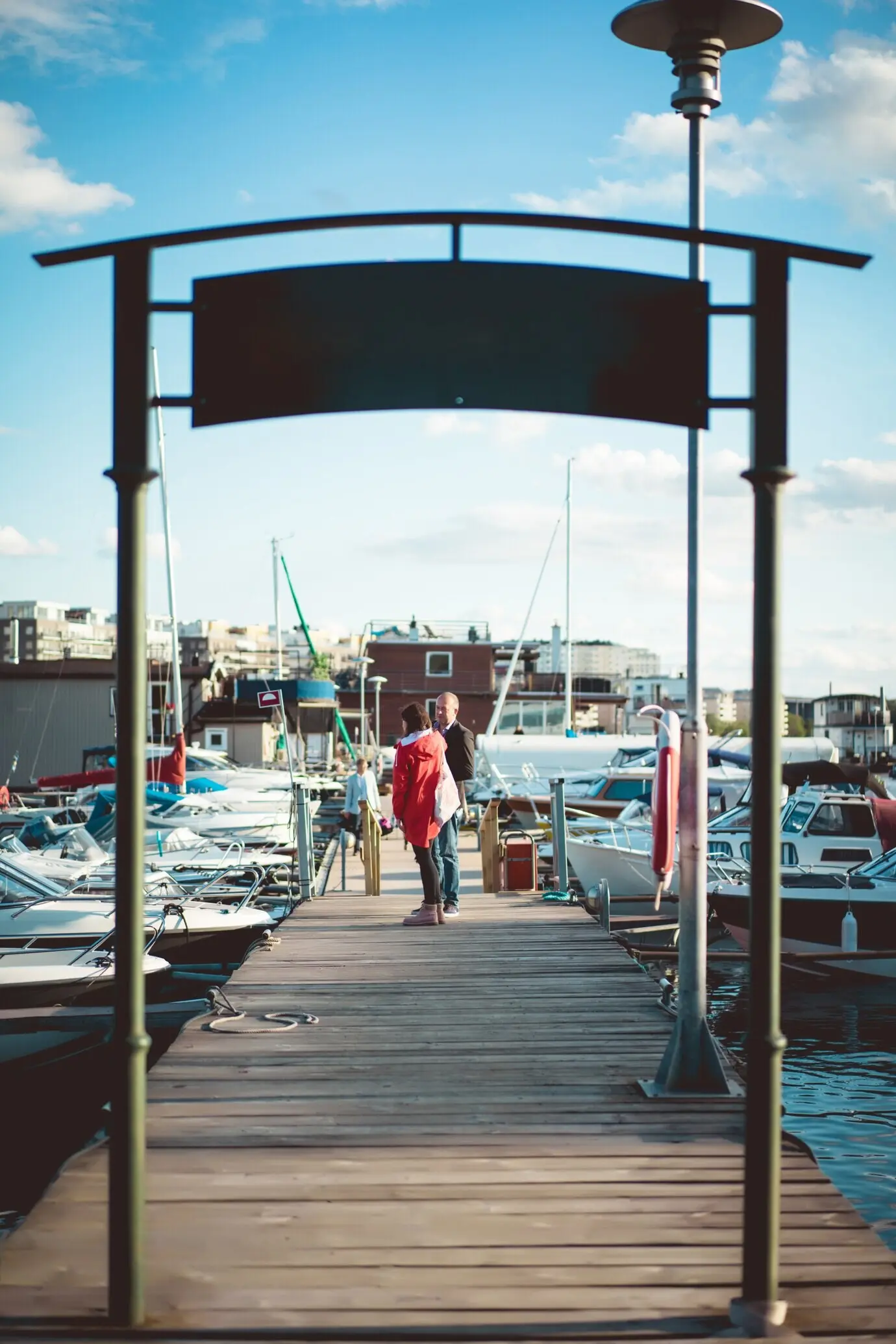
Waterfronts feel every climate and tide. Designing intermodal hubs at cruise terminals demands electrified land-side fleets, shore power synergy, stormwater stewardship, and flood-resilient structures lifted with care. Materials that love salt air and sun reduce lifecycle waste. Shade, breezes, and radiant control make waiting pleasant without heavy energy. The result is a hub that honors the ocean it serves, reducing emissions while delighting travelers.

Real-Time Information Passes the Baton

From the moment the gangway opens, feeds should update rail, bus, and taxi systems with clearance status, baggage progress, and projected demand. In return, transit sends capacity and disruption alerts to terminal screens and apps. That handshake prevents swells at the curb. What integrations or data standards helped your city pair port operations with public transport flawlessly, even during weather hiccups?

Digital Twins for Peak-Day Planning

Model entire turnaround days, including dwell times, queue growth, and curb turnover under varied ship sizes. Then test what-ifs: an extra ship, a bus strike, or a road closure. Use simulations to justify bay counts, marshal areas, and canopy lengths. When leadership sees heat maps, budgets follow. Share which metrics—time-to-curb, time-to-platform, or average door-to-door—convince stakeholders most effectively.

Personalized Guidance Without Friction

Beacons, QR codes, and multilingual chatbots can direct travelers to the right bay, carriage, or check-in door while preserving privacy. Accessibility settings adjust routes for gradients, noise, or crowd density. Crew tools speed turnaround tasks. Keep opt-in transparent, data minimal, and support human help at every step. What feedback loops have you used to refine algorithms after each big sailing weekend?

Placemaking, Economy, and Community

A Waterfront That Belongs to Everyone

Create promenades that remain open beyond boarding windows, with seating nooks, shade, and safe cycling. Link to local buses and ferries so residents gain options, not obstacles. Program markets and performances that fit maritime rhythms. If you’ve converted fences into galleries or wayfinding into storytelling about Indigenous waters, harbor trades, or local ecology, share the process that brought voices together respectfully.

Retail and Hospitality That Feel Honest

Offer services travelers need—luggage storage, pharmacies, coffee with real beans—and pair them with local brands, not generic souvenirs. Maintain transparent leases that support small businesses through off-peak months. Place cafés where views and breezes gather, encouraging dwell without blocking flows. What revenue-sharing or pop-up models helped your hub stay lively between sailings while preserving authentic neighborhood character?

Inviting People to Shape the Waterfront

Early, repeated engagement builds better answers. Host walk audits, prototype with chalk and cones, and test temporary signage during busy berths. Publish metrics and invite critique. Celebrate small wins—shorter crossings, clearer maps, calmer curbs—then iterate. Tell us which co-design practices surfaced needs you hadn’t anticipated, like resting spots for port workers or shade patterns aligning with afternoon school routes.
Xuzulatuxuxopalaxapepo
Privacy Overview

This website uses cookies so that we can provide you with the best user experience possible. Cookie information is stored in your browser and performs functions such as recognising you when you return to our website and helping our team to understand which sections of the website you find most interesting and useful.