Smooth Sailing Ashore: Peak Cruise Day Flow Mastery

Step off the dock with us as we dive into managing peak cruise day transit operations and crowd flow. From synchronized gangway releases to curbside choreography, we explore proven playbooks, real stories, and nimble tactics that move thousands safely and comfortably. Ask questions, share local tricks, and help fellow ports refine tomorrow’s plan.

Reading the Surge: When the Ships Arrive

Peaks rarely feel smooth, yet their shape is knowable. Layer ship schedules, customs processing times, baggage hall throughput, and curb capacity to sketch the day’s waves. Anticipate micro-peaks triggered by late luggage rounds, rain bursts, or tour bus clusters, and align staff callouts, signage changes, and signal timing before pressure builds.

Curb Management That Actually Moves

The curb is your heartbeat. Segment by function—coaches, shuttles, taxis, rideshare, accessible pickup, logistics—and protect turnover with assertive marshals, clear dwell limits, and real-time adjustments. Upgrade from cones to dynamic signage, paint, and bollards that signal rules unmistakably, even under rain, glare, or nighttime turnaround pressures.

Dynamic Zoning Playbook

Shift zones as waves move. As early self-disembarkers thin, expand coach frontage; when airport shuttles spike, compress rideshare to stacked staging. Use handheld tablets to authorize pulls, timestamp dwell, and redeploy empty coaches to overflow, keeping perception of fairness high while throughput remains uncompromised. At Harbor City last spring, a five-minute rideshare squeeze cleared a stalled coach wave without tempers and restored cadence before the second ship tied up.

Marshals, Volunteers, and Clear Authority

Face-to-face guidance beats any sign during surges. Equip marshals with radios, authority to redirect, and courteous but firm scripts. Pair them with multilingual volunteers who de-escalate anxiety, spot accessibility needs early, and keep lines compact so vehicles approach decisively, load faster, and vacate without disruptive second guesses.

Wayfinding That Reduces Questions

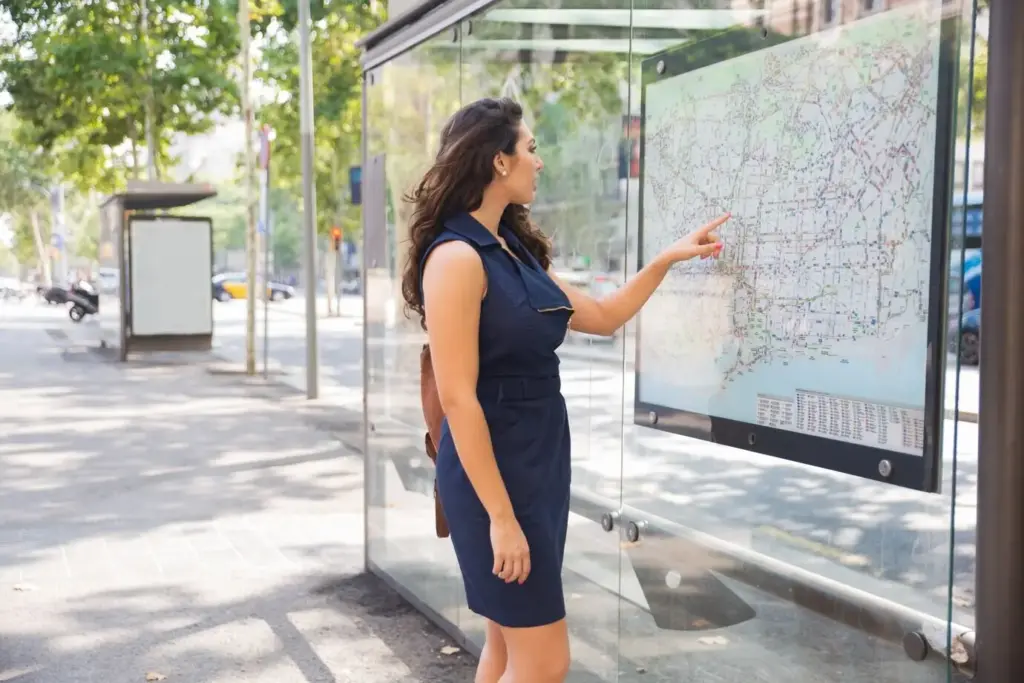
Questions are friction. Place large verbs—Go, Wait, Pay, Board—near eye level, backed by color-coded lanes and floor decals. Repeat directions at decision points, not corridors. Publish prearrival maps through cruise apps and emails so passengers show up oriented, reducing curbside chatter and last-second lane changes.

Real-Time Ops: Seeing the Whole Board

Operate like an orchestra. Fuse feeds from vessel ETAs, CCTV, pedestrian sensors, bus AVL, rideshare APIs, and ticket scans into one view. Simplicity wins; highlight trends, anomalies, and thresholds needing action. Respect privacy, log decisions, and make it easier to do the right thing than anything else.

Dashboards That Matter

Design for the floor, not the boardroom. Show live headways, curb occupancy, queue times, ADA requests, and weather alerts on one glanceable screen. Give operators buttons that actually trigger field changes—sign swaps, zone expansions, extra shuttles—so insight converts to motion within seconds, not meetings.

Alerts Without Alarm

Bad alerts train people to ignore good ones. Tune thresholds to context, batch similar pings, and provide recommended actions with each notification. A clear next step—call, reassign, open overflow—keeps radios calm, prevents double work, and makes accountability observable for after-action learning without blame.

Walking Flows Without the Crush

People are the real vehicles here. Smooth walking flows by right-sizing corridors, removing pinch points, and delivering shade, water, and seats. Use serpentine queues to shorten perceived waits, keep lines off driveways, and place entertainers or ambassadors to turn unavoidable pauses into surprisingly pleasant memories.

Everyone at the Table, On the Radio

Coordination beats heroics. Bring cruise line operations, port authority, city transit, airport liaisons, police, customs, rideshare partners, coach operators, and union leads into shared planning and open channels. Agree on responsibilities, escalation ladders, and operating hours so surprises become manageable deviations rather than chaotic crises.
Hold a fifteen-minute huddle before first arrivals. Use a single map, highlight changes, confirm call signs, and revisit yesterday’s two biggest lessons. Invite one question per role. End with a clear green-light and a human reminder: safety, clarity, kindness, then speed.
Paper promises must meet asphalt. Write service levels that define dwell limits, show-up windows, vehicle identifiers, ADA availability, and penalties that actually bite. Balance fairness with flexibility: storm exceptions exist, but chronic lateness triggers staged fees and replacement rights protecting passenger experience over vendor convenience.

When Plans Meet Reality

Something will wobble. A bus breaks down, an escalator stalls, a sudden downpour doubles curb dwell. Resilience starts earlier: backup rosters, spare vehicles, preapproved detours, stocked comfort kits, and decision authority placed close to the curb so recovery begins without waiting for permission.

Better Experience, Smaller Footprint

Move people beautifully, not just quickly. Cut idling, enforce clean-burn zones, and coordinate alternative fuels where feasible. Shade queues, stock refill water, support stroller parking, and highlight local transit and walking connections so wallets, lungs, and neighborhoods all benefit from days that once felt overwhelming.
Xuzulatuxuxopalaxapepo
Privacy Overview

This website uses cookies so that we can provide you with the best user experience possible. Cookie information is stored in your browser and performs functions such as recognising you when you return to our website and helping our team to understand which sections of the website you find most interesting and useful.